Kitchen Scale Buying Guide: What to Look For and How to Use It
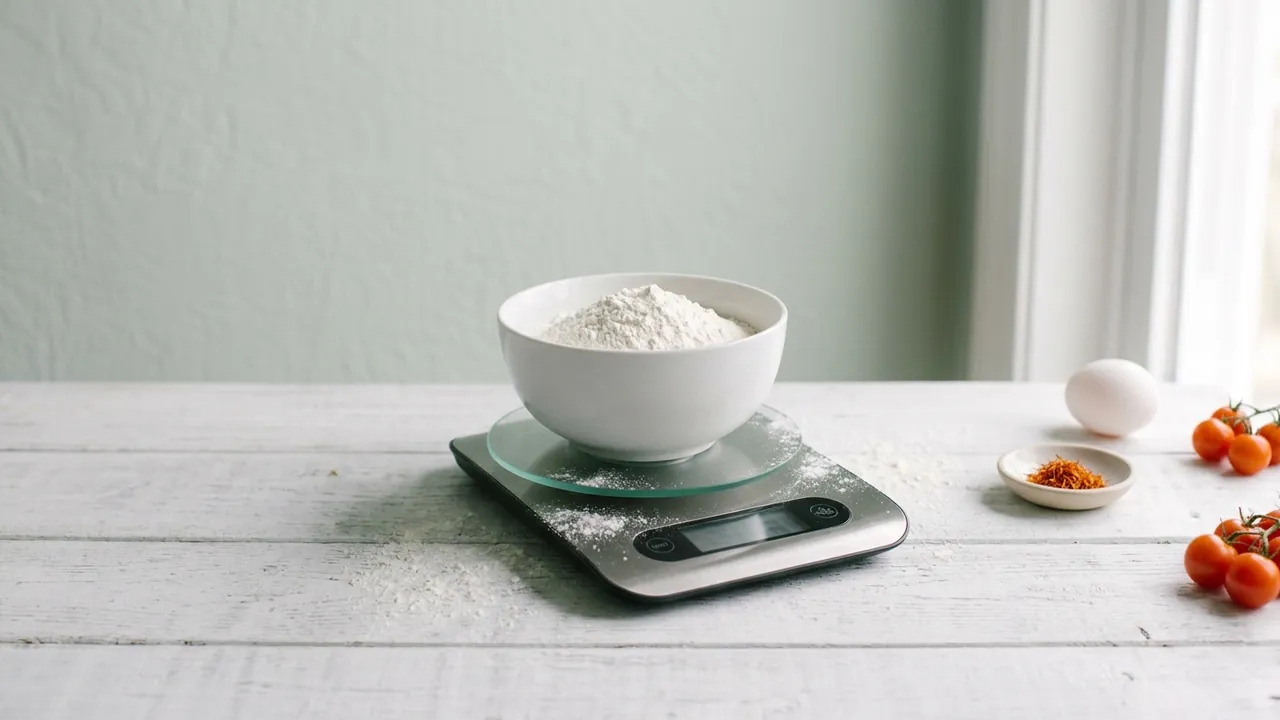
Why a scale beats measuring cups
Weighing ingredients removes the guesswork of packing and scooping. It makes recipes repeatable, speeds up cooking because you can weigh straight into the bowl, and lets you follow recipes from anywhere in the world. A decent scale is inexpensive and one of the most useful tools in a kitchen.
Features that matter
Tare function. This resets the display to zero with a bowl on top, so you can weigh ingredients one after another in the same bowl. It is the most important feature. Without it, a scale is much less useful.
Accuracy. For general cooking and baking, 1 g steps are fine. If you make bread with small amounts of yeast, make spice mixes or brew coffee, look for 0.1 g models, which are usually small and have a lower maximum capacity.
Capacity. A capacity of 5 kg is enough for most kitchens. Anything below 2 kg can be limiting when you weigh a heavy bowl plus flour.
Units. Look for a scale that switches between grams, ounces and millilitres. Some also show pounds and ounces.
Platform. A flat, wide platform is easy to clean and does not move the bowl. A platform that is larger than your usual bowl helps you read the display.
Display. A bright, backlit display with large numbers is easier to read. Check that the display is not hidden by a large bowl. A pull-out display or a wide gap helps.
Power. Batteries last a long time, and some scales are rechargeable by USB. Look for auto-off that is not too short, because a scale that switches off while you are adding flour is annoying.
Material. Stainless steel or glass tops are easy to wipe. A sealed surface resists spills.
Test the accuracy at home
You do not need special equipment. A US nickel weighs 5.0 g. Place one on the scale and check that it reads 5 g. Stack several coins to test heavier weights, and if you have a known weight such as a 1 kg bag of sugar, check that too. A small error of 1 g is normal. A large or inconsistent error means the scale is not suitable for baking.
How to use a scale for baking
- Place the bowl on the scale, switch on, and press tare.
- Add the first ingredient until the display shows the weight you want.
- Press tare again before the next ingredient.
- Add liquids by weight too. Water and milk are about 1 g per ml, so 250 g is about 250 ml.
- Keep the scale away from the edge of the counter, and avoid touching the bowl while it settles.
Common problems
The scale drifts. Wait a moment for it to settle, and keep it away from air vents and vibrations.
The scale shows a negative number. You removed the bowl after taring. Press tare with nothing on the scale.
The display reads "Err" or "Lo". The battery is low or the load is too heavy.
Weights seem wrong. Check the unit setting and test it with a coin.
Care and storage
Wipe the surface with a damp cloth. Do not submerge the scale or put it in the dishwasher. Remove batteries if you will not use it for months. Store it flat, with nothing heavy on top, since pressure can damage the sensor.
Do you need a special scale for coffee or spices?
For brewing coffee, a scale with 0.1 g accuracy and a timer is useful. For spices, a small 0.01 g jewellery-type scale is accurate, but make sure it is food-safe and clean. For everyday cooking, a standard 1 g scale is enough.
The short version
Choose a scale with tare, 1 g accuracy, a 5 kg capacity and a clear display. Test it with a coin. Then combine it with our cups to grams converter to follow any recipe in grams.
Frequently asked questions
What accuracy do I need in a kitchen scale?
1 g is fine for most cooking and baking. Choose 0.1 g for coffee, spices or small yeast amounts.
How can I test my scale at home?
Weigh a US nickel. It should read 5 g. Check a larger known weight too.
Can I weigh liquids in grams?
Yes. Water and milk are about 1 g per ml. Oil and honey differ, so check a chart.
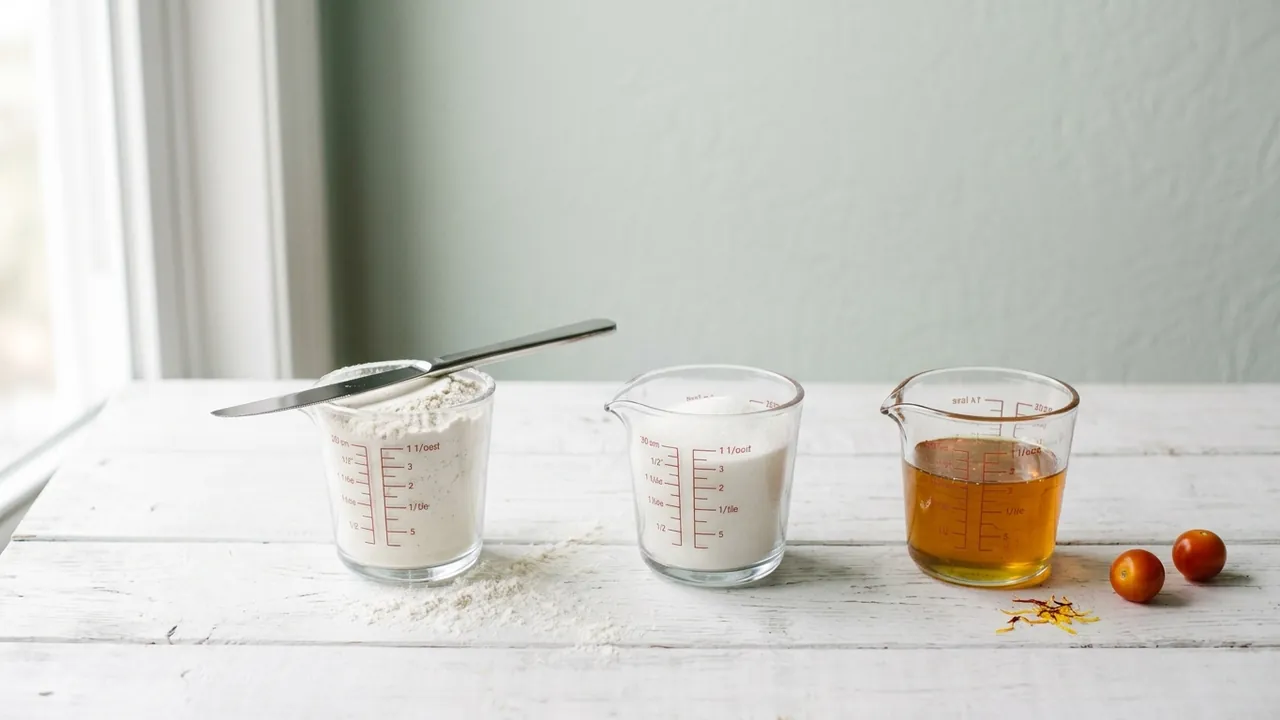 Why a Cup of Flour Weighs Different Amounts
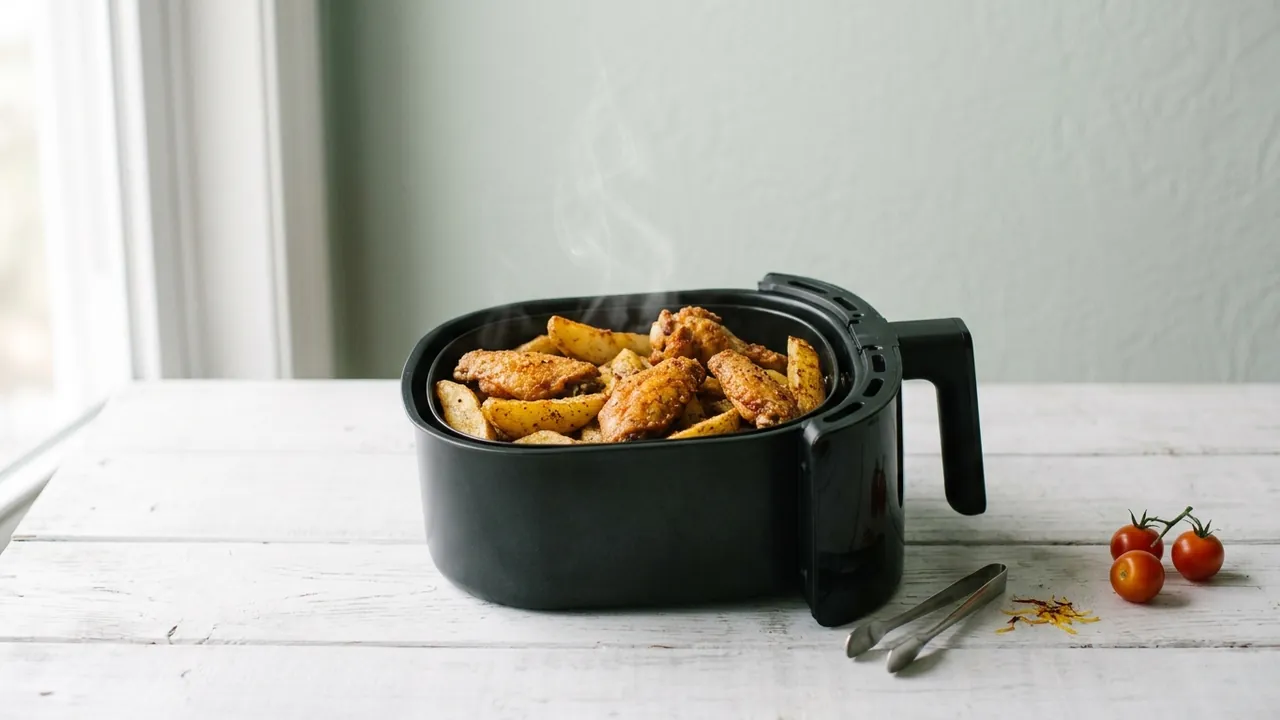 Oven to Air Fryer Conversion
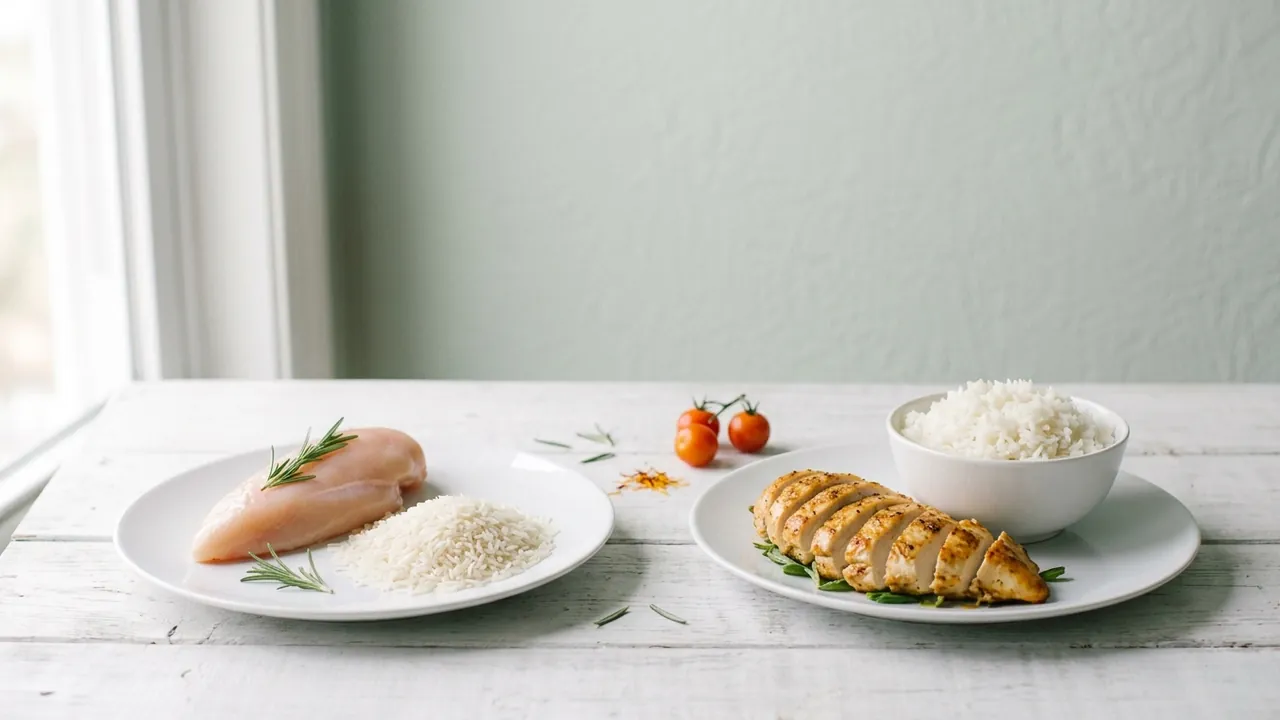 Raw vs Cooked Weight